The 21‑Day Prayer Guide PDF offers a structured journey of devotion, blending gratitude, repentance, intercession, worship, reflection, and guidance. Designed for daily use, it invites readers to deepen faith, cultivate spiritual discipline, and experience transformative prayer. Daily devotion strengthens hearts.

Benefits of a Structured Prayer Plan
Adopting a 21‑day prayer framework transforms spiritual practice by offering rhythm, clarity, and measurable progress. The structured cadence encourages daily engagement, turning fleeting moments of faith into a disciplined habit steadily deepens intimacy with the divine. Each dedicated hour becomes a focused dialogue, reducing distraction and fostering intentional listening. Over three weeks, the routine builds resilience, allowing believers to navigate life’s uncertainties with calm assurance. The plan’s thematic variety—gratitude, repentance, intercession, worship, reflection, guidance—ensures a holistic experience, preventing spiritual stagnation. Moreover, the PDF format provides portability; users can carry the guide in a pocket or on a tablet, ensuring accessibility during commutes, breaks, or quiet evenings; Digital annotations and bookmarking features enable personalized reflection, while the printable version invites communal sharing in small groups or family gatherings. Finally, the 21‑day structure aligns with biblical principles of renewal and covenant, echoing the promise that “a new heart will be given” after consistent devotion. This alignment not only motivates but also anchors the practice in scriptural truth, creating a lasting foundation for lifelong prayer.
By committing to this concise yet powerful schedule, participants often report heightened clarity in decision‑making, a strengthened sense of community through shared prayers, and an enduring gratitude that permeates everyday interactions.
This intentional rhythm invites believers to experience a profound sense of peace, purpose, and divine presence that sustains them beyond the 21 days.
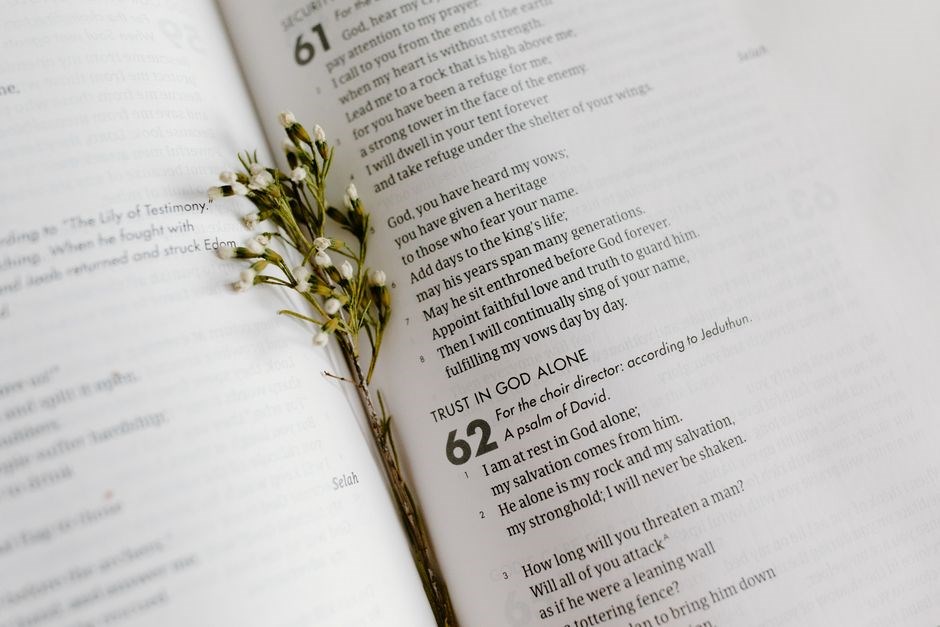
Key Themes Covered in Each Day
Each day of the 21‑day guide focuses on a distinct spiritual theme, creating a balanced rhythm that nurtures growth. The first theme, Thanksgiving, encourages participants to acknowledge God’s blessings, fostering gratitude that sets a positive tone for the week. Following this, Repentance offers a space for honest reflection on personal shortcomings, encouraging confession and renewal of commitment to divine principles. Intercession then shifts focus outward, prompting believers to lift up the needs of others—family, community, and global concerns—strengthening empathy and solidarity. Worship is the next pillar, encouraging praise through scripture, music, and heartfelt adoration, which deepens reverence and connection. Reflection provides a quiet moment for internal dialogue, allowing individuals to assess progress, recognize growth, and identify areas needing further attention. Finally, Guidance calls for seeking divine wisdom in decision‑making, ensuring that lessons learned are applied to everyday life. Together, these themes create a balanced framework that nurtures gratitude, humility, compassion, reverence, introspection, and discernment, equipping participants with a comprehensive toolkit for spiritual growth.

Day-by-Day Breakdown
The 21‑day guide offers daily prompts, scripture, and reflection, cycling through themes of gratitude, repentance, intercession, worship, reflection, and guidance. Each day builds on the last, fostering spiritual growth and a balanced rhythm of devotion. This structured rhythm encourages consistency faith!

Day 1: Thanksgiving
Day 1 of the 21‑Day Prayer Guide sets the tone for a week of intentional gratitude. It invites participants to pause, reflect, and acknowledge the countless blessings that surround them, from the simple breath of air to the profound love that sustains them. Scripture such as 1 Chronicles 16:34 and Psalm 107:1 reminds us that “the Lord is good; his love endures forever.” By listing specific moments of grace, the day encourages a mindful awareness of divine presence in everyday life. The prayer prompt asks believers to name three blessings that have touched their hearts in the past week, to thank God for each one, and to commit to carrying that gratitude into the days ahead. A short meditation follows, guiding the heart to rest in the knowledge that every good gift comes from the Creator. Participants are encouraged to write a brief thank‑you note to someone who has made a difference, and to share one act of gratitude with a friend or family member. This practice not only fosters humility but also strengthens the habit of recognizing God’s hand in all circumstances, setting a foundation for the next 20 days of prayerful living. The day concludes with a simple yet powerful affirmation: “Thank you, Lord, for your endless blessings.”
The gratitude practice deepens as participants reflect on the ways God’s grace has guided them through challenges, offering a sense of peace that surpasses understanding. By acknowledging these moments, they open their hearts to receive further blessings and grow in faith.
In addition, the guide encourages sharing gratitude with the community, fostering a network of support and encouragement. When one person expresses thanks, it ripples outward, inspiring others to recognize their own blessings and to pray for one another.
Finally, the day ends with a brief silence, inviting the soul to listen for God’s voice, and a reminder that gratitude is a continual practice that shapes the believer’s journey.
Day 2: Repentance
Day 2 invites a deep, honest examination of the heart, urging believers to acknowledge missteps and seek divine forgiveness. Scripture such as 1 John 1:9 reminds us that confession cleanses, and Psalm 51:17 calls for a contrite spirit. The prayer prompt encourages a personal inventory: list actions that have hurt others or drifted from God’s will. Participants are guided to offer sincere apologies, both to God and to those affected, recognizing the power of reconciliation.
A reflective exercise follows, asking readers to write a brief confession, then commit to a concrete change that aligns with biblical principles. The guide stresses that repentance is not a one‑time event but a continual turning toward God, fostering humility and growth. A short meditation focuses on the mercy of the Lord, inviting the soul to rest in His forgiveness.
The day concludes with a commitment to live out the newfound resolve, encouraging participants to share their journey with a trusted friend, thereby strengthening accountability and community support. By embracing repentance, believers open the door to renewed grace, deeper intimacy with God, and a life marked by intentional obedience.
To deepen the practice, the guide suggests setting aside a quiet 10‑minute period each evening to reflect on the day’s actions, noting any lingering guilt or unresolved feelings. Let this practice renew your spirit and guide your steps toward peace. May your heart be open to God’s loving guidance. In faith. Amen. Always;

Day 3: Intercession
Intercession is the act of standing in the gap between God and others, offering prayers on behalf of those who cannot speak for themselves. Scripture such as 1 Timothy 2:1‑2 reminds believers to pray for all people, especially leaders and those in need. This day encourages you to identify specific individuals or groups—family, friends, community, or global crises—and lift them before the throne of grace.
Begin with a heartfelt confession of your own shortcomings, acknowledging that intercession is rooted in humility. Then, follow the model prayer from the guide: address God as Father, thank Him for His mercy, and present each request with sincerity. Use the “5‑Minute Intercession” technique: spend one minute for each category—family, church, nation, world, and personal growth—ensuring a balanced approach.
After the prayer, write a brief note of what you are interceding for, and commit to a tangible action, such as sending a supportive message, volunteering or donating. This concrete step reinforces the prayer’s impact and demonstrates faith in motion. Remember, intercession is not a one‑off; it is a continual dialogue with God, fostering compassion and unity.
Conclude by reflecting on the power of prayer, trusting that God hears and answers in His perfect timing. Keep a journal of answered prayers to witness God’s faithfulness over the 21‑day journey. May your intercessory heart grow stronger each day, and may you experience the joy of seeing God’s hand in the lives you lift up. Let intercession deepen faith.!!
Day 4: Worship
Worship is purest expression of love for God, a heartfelt offering of praise that transcends words. Scripture such as Psalm 95:6‑7 invites believers to “come, let us worship and bow down.” This day focuses on cultivating a worshipful heart, inviting God into every aspect of life. Begin by setting a quiet space, dimming lights, playing a worship song that resonates with your spirit. As the music flows, allow the lyrics to guide your thoughts toward God’s attributes—His mercy, faithfulness, and sovereignty.
Next, engage in a “listening prayer.” Sit in silence open your heart, andlisten for God’s voice. Scripture encourages us to “listen for voice of the Lord” (Psalm 46:10). Use a journal to capture any insights, images, or words that arise. This practice deepens intimacy and aligns your worship with divine guidance.
After listening, transition into a “singing prayer.” Choose a hymn or contemporary worship song and sing aloud, letting the melody lift your spirit. Even if you cannot sing perfectly, the act of vocalizing praise is a powerful declaration of faith. Follow the example of Isaiah 6:6‑7, where the prophet’s lips moved in worship, and the Holy Spirit touched him.
Finally, close with a “thankful declaration.” Speak gratitude for God’s presence, for the gifts of music, for the community of worshipers, and for the ongoing relationship. Write a short affirmation—“I worship the Lord, and He is my strength.” Keep this affirmation in a visible place to remind you of the day’s devotion. As you move forward, carry the rhythm of worship into daily tasks, turning ordinary moments into sacred moments of praise.
Day 5: Reflection
Day five invites a pause, a deliberate moment to examine the journey so far. Reflection is the mirror in which the soul sees God’s fingerprints on everyday choices. Scripture reminds us in Psalm 77:12, “I will remember the deeds of the Lord; I will meditate on all His works.” Begin by finding a quiet space, closing the eyes, and breathing deeply. Let the breath be a bridge between body and spirit, a rhythm that steadies the heart for introspection. Use a journal or a digital note to record three questions: 1) What has God taught me this week? 2) Where did I feel His presence most strongly? 3) What areas still need His guidance? Answer each honestly, allowing the words to surface without judgment. As you write, notice patterns—perhaps a recurring theme of gratitude or a persistent struggle with patience. These patterns are the compass pointing toward growth. Next, read a passage that resonates with your current state—perhaps Romans 12:2, “Do not conform to the pattern of this world, but be transformed by the renewing of your mind.” Meditate on how the passage applies to your life. Ask yourself: “What transformation is God inviting me to embrace?” Let the answer settle like a seed, ready to sprout in action. Afterward, close with a silent prayer of thanks for the insights received. Offer the revelations to God, asking Him to help you implement the lessons. End with a short affirmation: “I am learning, I am growing, and God’s grace guides me.” Keep this reflection in a place where you can revisit it, turning the day’s insights into a living practice that fuels the next 16 days of the guide.
Day 6: Guidance
Day six invites believers to lean into the compass that directs step. Begin by finding a corner, closing eyes, breathing, allowing the rhythm of your breath to sync with Spirit. In stillness, declare, “Lord, I seek your guidance.” Proverbs 3:5‑6 reminds us that trusting God with all our hearts brings direction: “Trust in the Lord with all your heart and lean not on your own understanding; in all your ways acknowledge Him, and He will direct your path.”
Next, identify three decisions or challenges you face. Write them down, then ask God for clarity, wisdom, and courage to act. As you pray, listen for nudges—an conviction, a word of Scripture that lands, or a peace that settles over the issue. Scripture offers comfort in Psalm 32:8: “I will instruct you and teach you the way you should go.” Visualize guidance as a path, when terrain seems uncertain.
After the prayer, read a devotional or passage that speaks to divine direction. Reflect on how God has guided you and how might continue. A “Guidance Journal” records moments of insight, the questions you asked, and the answers you received. Revisit these entries to see how God’s guidance unfolds, confirming that He is indeed leading your steps.
Commit to action. Conclude with a prayer: “Help me to follow the path you set before me, even when the way is unclear, and grant me the faith to trust your timing.” As you close, place the journal in a visible spot, a reminder that guidance is ongoing and that each day offers a opportunity to walk in God’s

Downloading and Using the PDF
To start your 21‑day journey, locate the official download link on the publisher’s website. The file is typically named “21_Day_Prayer_Guide.pdf” and is available with a single click. Click the link, and your browser will prompt you to save or open the document. Save the PDF to a folder labeled “Prayer Guides” on your computer. The PDF is free to download and can be saved on any device. Download it now!
Open the PDF with a standard reader—Adobe Acrobat, Foxit, or the built‑in viewer. The guide is organized by day, each page has a title, scripture, and reflection. Use the search (Ctrl + F) to jump to a day or keyword. The layout is simple, with each day numbered and highlighted.
Print a hard copy if you like. Most printers support PDF natively; choose “Print” and select your printer. Bookmark the PDF for offline use. If you prefer a digital copy, view it on any tablet or phone and the PDF will adjust to the screen.
Annotate the PDF: add comments, highlight text, or draw. Notes become a personal log of insights and answered prayers. When you finish a day, jot a brief note in the margin.
On smartphones, open the PDF with the default viewer or Adobe Acrobat Reader Mobile. Swipe pages, zoom, add sticky notes or highlights. The mobile interface lets you share via email and keep the guide handy.
Finally, share today the guide with friends or a small group. Most PDF readers let you send the file via email or a cloud link. By distributing the guide, you create a shared spiritual practice that encourages accountability and mutual encouragement. These steps provide a seamless experience for anyone seeking structured prayer.

Printable Formats and Customization Tips
Once you have the 21‑Day Prayer Guide PDF, you can print it in several layouts: single‑column, double‑column, or a journal style with space for notes. Open the file, choose “Print,” and set the paper size to A5 or Letter. For a tactile feel, use thick cardstock or a spiral notebook. Include a small inspirational quote at the top of each page.
Personalize the guide by adding a cover page with your name or a favorite verse. Use a high‑resolution printer and select a matte or glossy finish. If you want a digital version, edit the PDF in Acrobat Pro: change fonts, colors, or insert images. Add a decorative border or a small illustration to enhance visual appeal.
Highlight key verses with a light blue or green ink. Keep the main text in black for readability. Set “Print Quality” to high for crisp lines. For a professional look, laminate the pages or use a print shop for a matte lamination. Add a small icon next to each verse for quick reference.
Keep a backup of the original PDF in the cloud. This way you can re‑print or re‑edit whenever you need a fresh copy. By customizing the format, you create a tool that guides your prayer and reflects your style. Use a bookmark to mark completed days for easy tracking.

Finally, share the guide with friends or a small group. Most PDF readers let you send the file via email or a cloud link, encouraging accountability and mutual encouragement. Daily prayer always.

Community Sharing and Accountability
Engage a faith community with the 21‑Day Prayer Guide PDF. Pray together, hold each other accountable. Forum lets members post reflections and celebrate daily milestones!
Accountability partners help keep the 21‑Day Prayer Guide on track. Each day, partners check in, share what was prayed, and note any challenges. This routine builds consistency and deepens engagement with gratitude, repentance, intercession, worship, reflection, and guidance!!
Leaders schedule weekly virtual or in‑person meetings to review progress and discuss scripture. They use shared documents or whiteboards to track completion rates, highlight key verses, and create a collective prayer list for the community’s needs.!
Those who prefer anonymity can use drop‑box tools or encrypted messaging to submit daily summaries. The group then compiles a summary report, celebrating collective growth and identifying improvement!!
Respect privacy and consent when sharing personal prayer experiences. Encourage trust, allowing members to express doubts, ask for help, and praise God’s faithfulness. This communal approach strengthens practice and builds a supportive network that sustains spiritual growth beyond the 21 days. Share your journey to inspire!
Publish a shared calendar or digital bulletin board where members mark completed days, set reminders, and post prayer requests. This visual cue reinforces accountability and keeps momentum alive. Integrate the PDF into a communal rhythm, making the 21‑day journey a shared testimony of faith and perseverance Together!